Vol. I · Updated April 2026 · 🇫🇷 France
The Paris Edit
Best Whole-Body Cryotherapy in Paris 2026.
10 studios in Paris — ranked by Google rating. Typical price: $45 – $90 per session · varies by protocol.
Also known as: whole-body cryotherapy · cryosauna · cryo chamber · cold therapy · cryotherapy treatment · cold plunge · ice bath · cryo facial · localized cryotherapy · nitrogen cryotherapy · cold recovery · muscle recovery · sports recovery · cryo session
Editor’s PickOur top studio in Paris
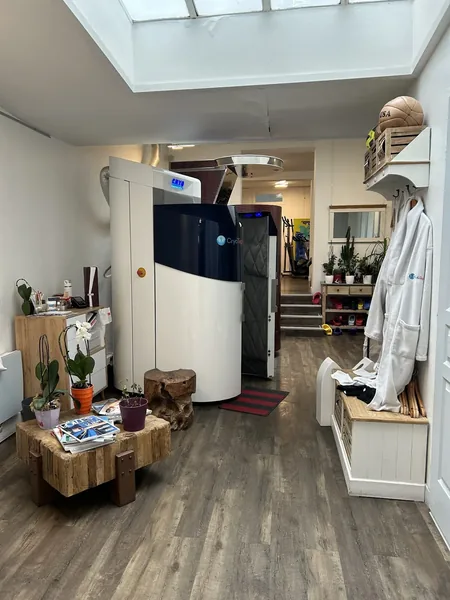 Editor’s Pick
This month in Paris
Cryotep
Paris
"A top-rated whole-body cryotherapy studio in Paris, with a strong following."
4.8★
208 reviews
Source
Source
#1
in Paris
The Paris listOrdered by rating, featured first
Whole-Body Cryotherapy studios in Paris
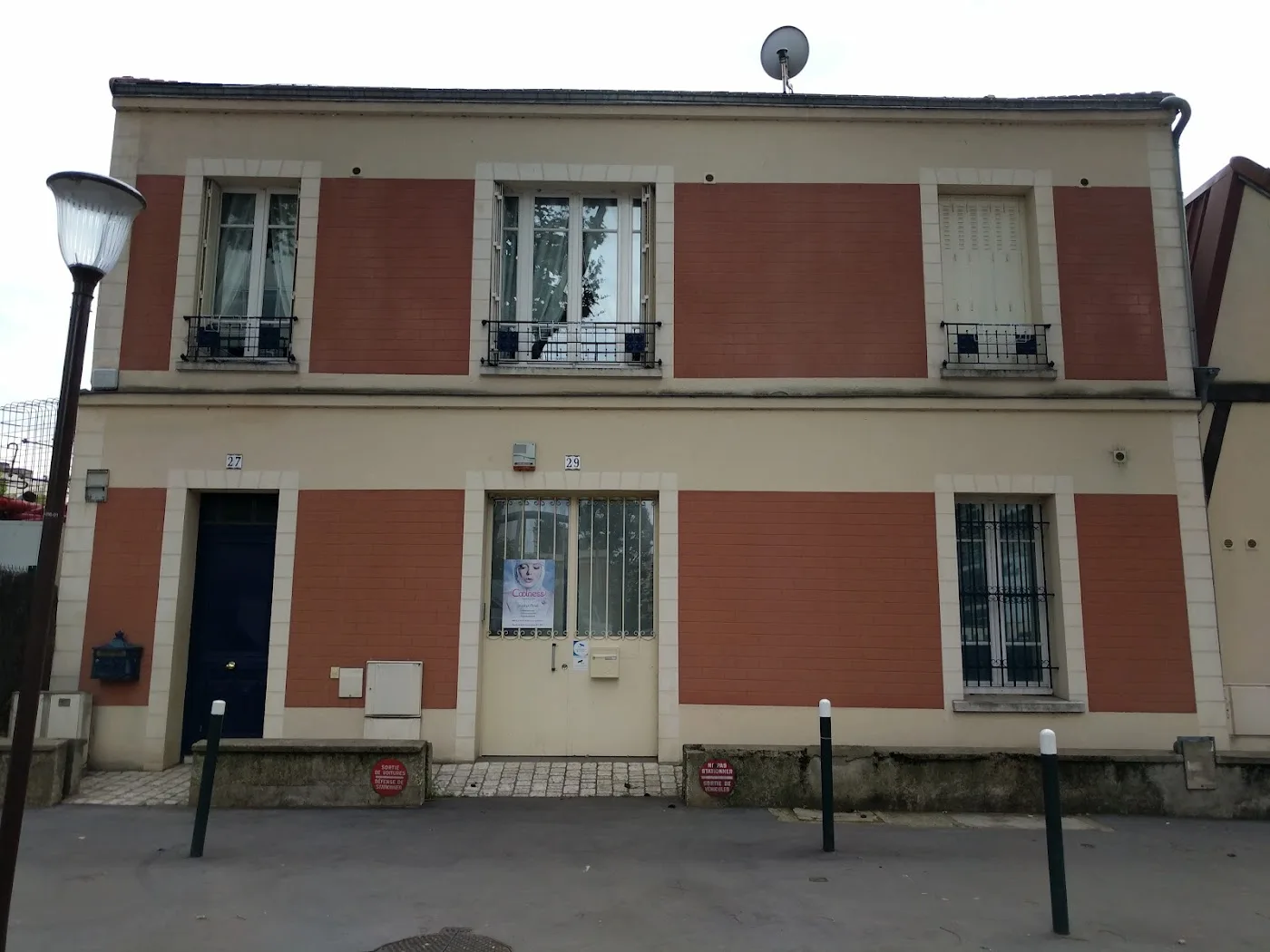 ★ Featured
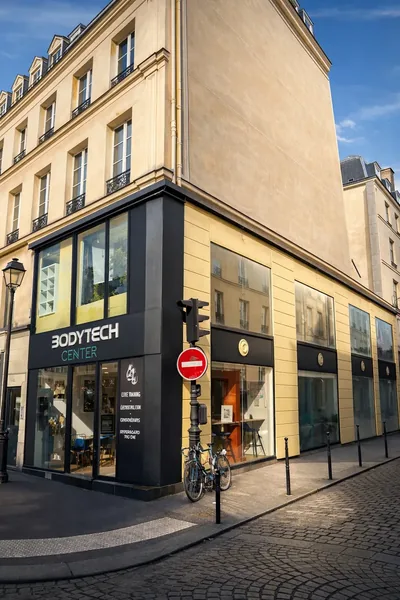 ★ Featured
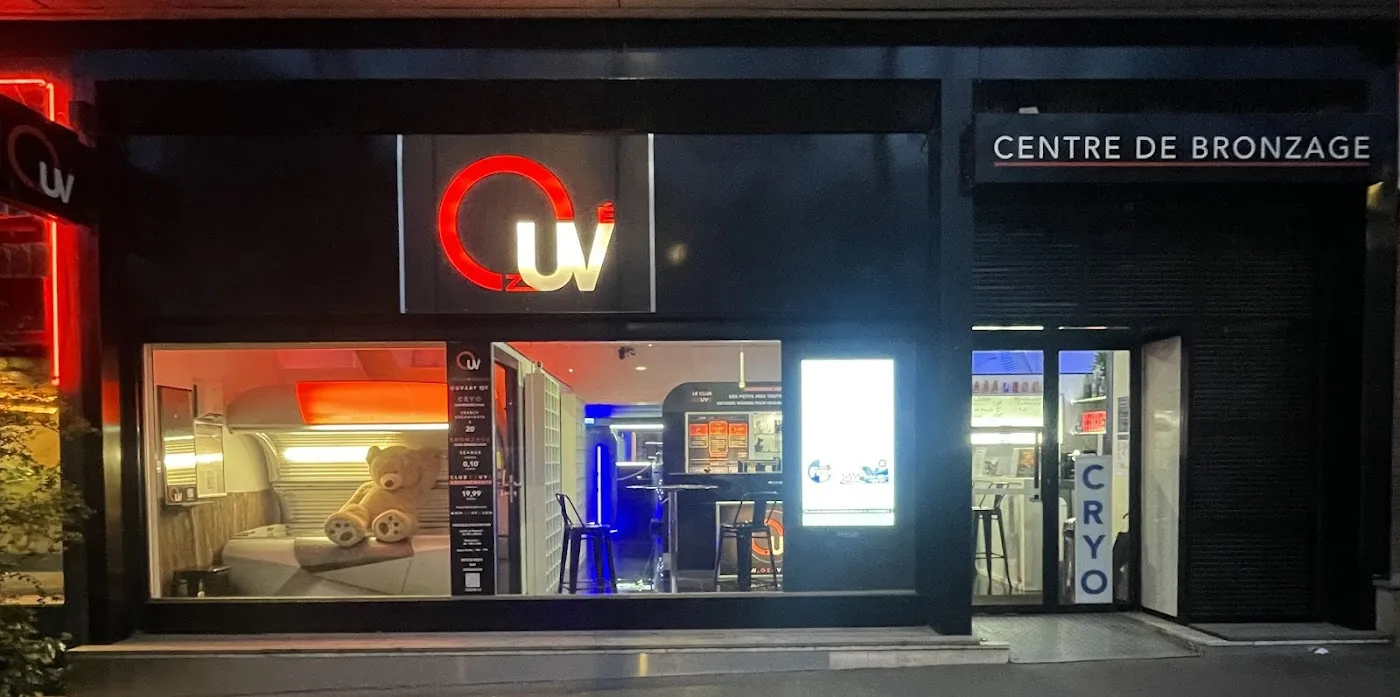 ★ Featured
 ★ Featured
 ★ Featured
More studios in Paris · 4
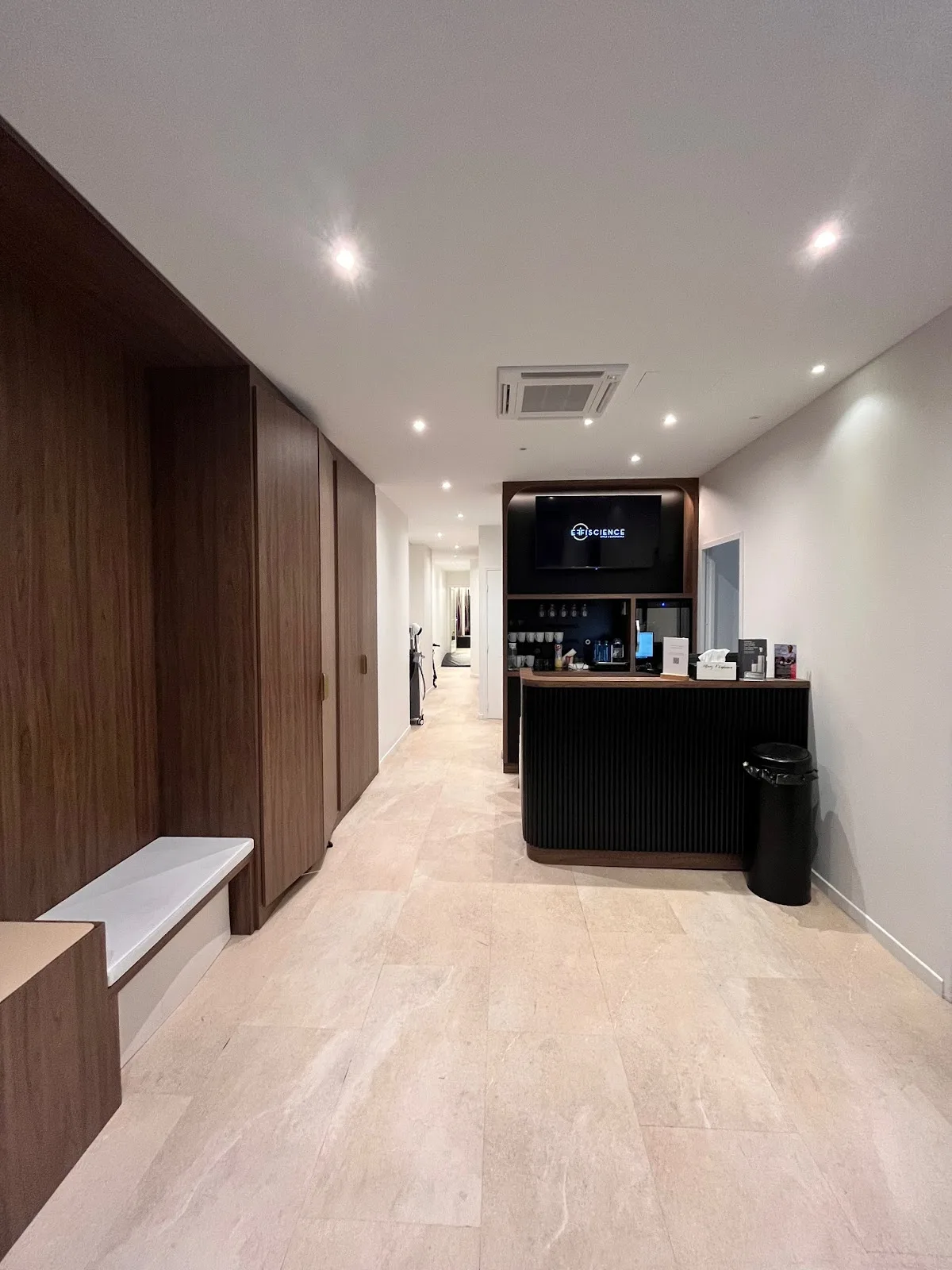
Paris counts 10 whole-body cryotherapy studios listed on CryoStudioFinder, with an average Google rating of 4.8★ across 1,156 public reviews. 90% of these studios hold a 4.5★ rating or above — above the global market average of 35%. The scene spreads across 6 identified quarters, with the densest clusters documented below. This is the editorial guide we wish we had when we started looking for whole-body cryotherapy in Paris.
Paris at a glanceThe scene in numbers
10 whole-body cryotherapy studios documented — 6 of them hold a Featured listing (Editor’s Pick program).
4.8★ average rating across 1,156 reviews. Median review count per studio is 154 — a useful signal for how established these studios are.
Rating distribution: 9 rated 4.5★ or above, 1 between 4.0 and 4.4★, and 0 below 4.0★. Always check recency of reviews before booking.
Top studios in ParisRanked by rating and review volume
2. L'Instant Cryo Paris 16
Featured
See full listing →
3. Coolness
Editor's Pick
See full listing →
4. Cryotep
Featured
See full listing →
5. Bodytech Center
Featured
See full listing →
6. Ozuvé
7. CryoBliss
Featured
See full listing →
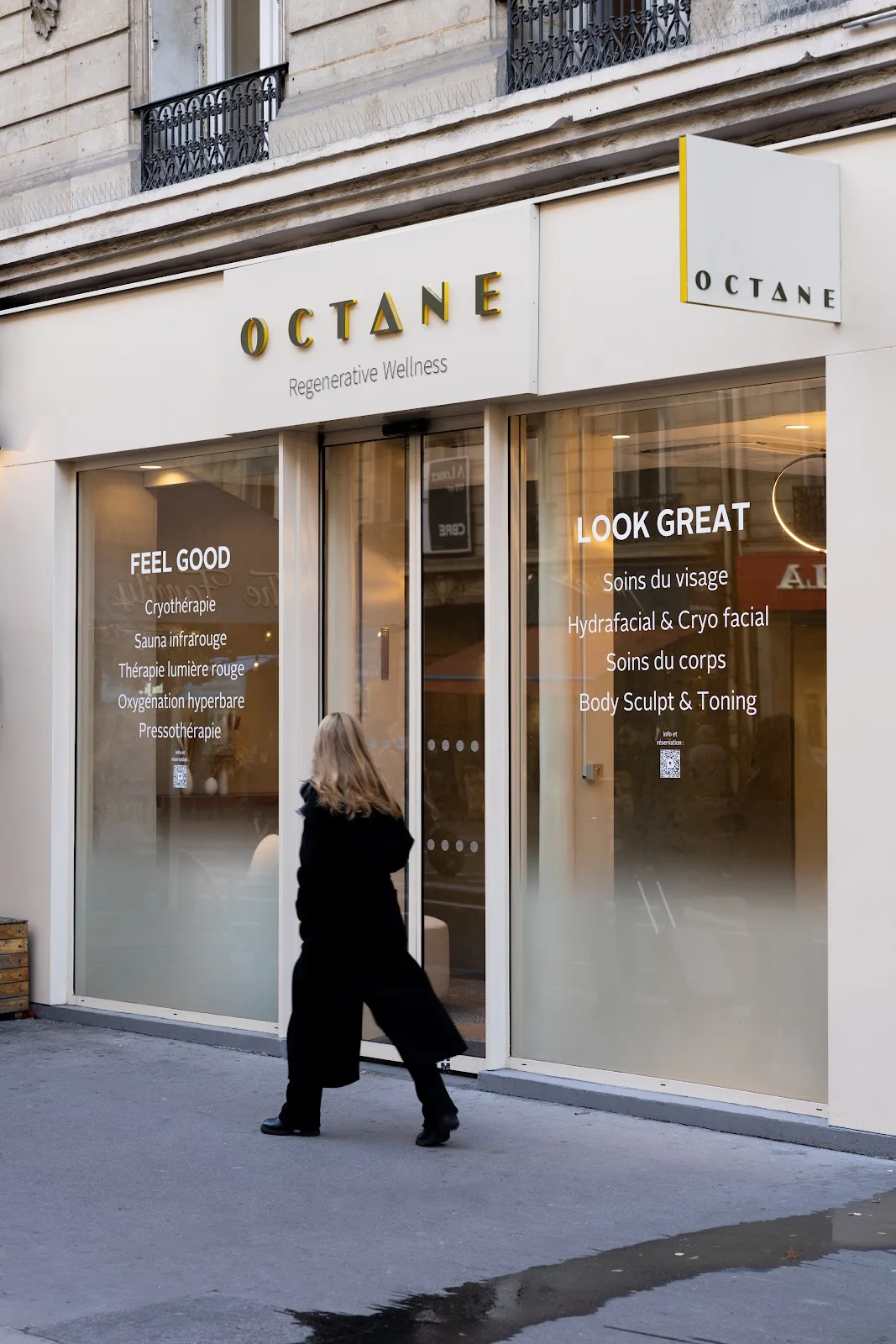
8. Octane
Featured
See full listing →
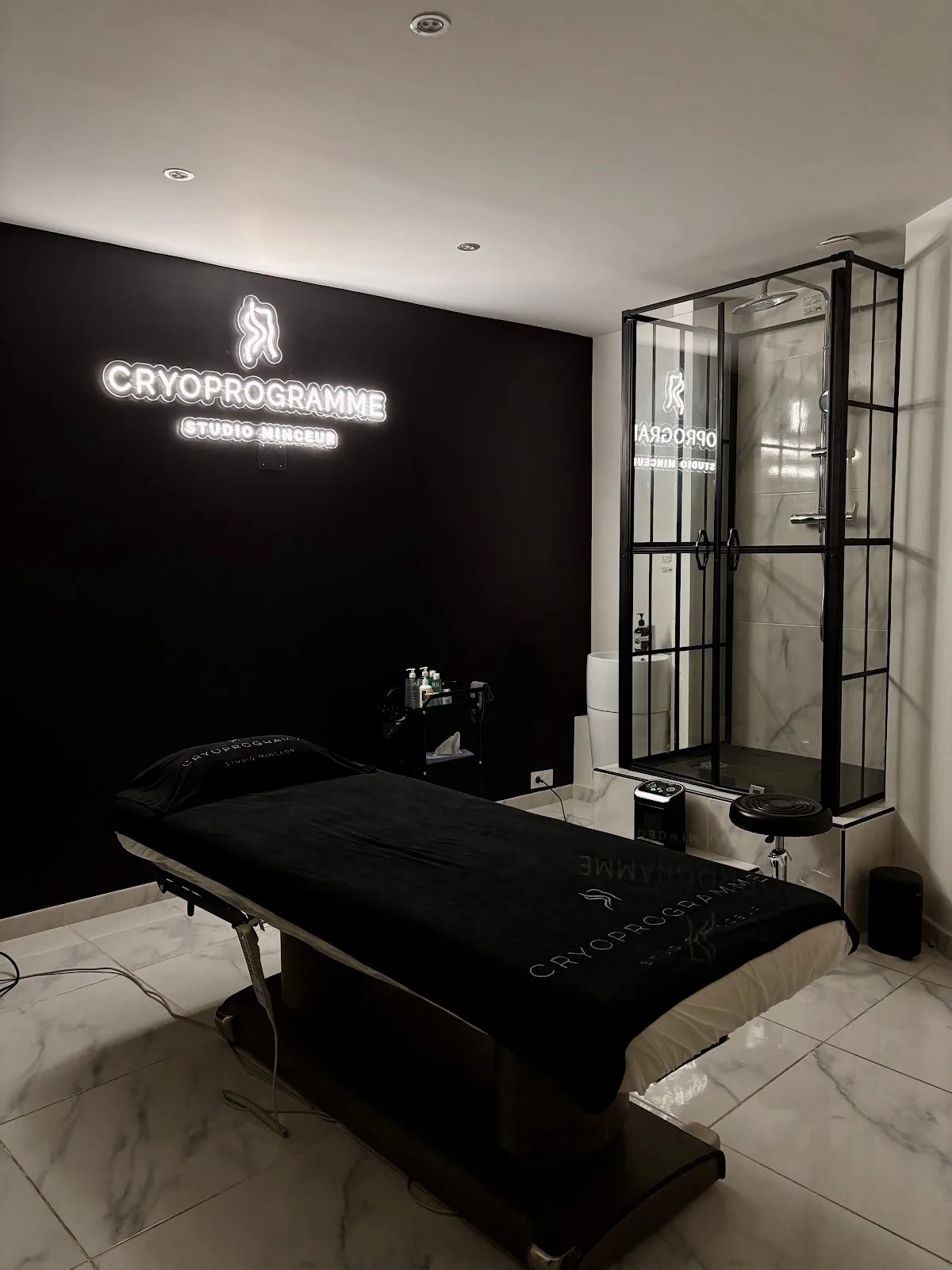
9. Cryoprogramme Paris 8
10. EffiScience Cryo
Ranking combines public Google rating and review volume. See the full 10-studio list above.
Where the scene lives in ParisNeighbourhood distribution
Documented clusters — where the whole-body cryotherapy studios physically concentrate, based on publicly available addresses:
- 6e arr. — 2 studios
- 16e arr. — 2 studios
- 2e arr. — 1 studios
- 13e arr. — 1 studios
- 9e arr. — 1 studios
- 8e arr. — 1 studios
Quarter names are extracted from listed addresses and may use local conventions (arrondissement numbers in Paris, neighbourhoods elsewhere). Always verify the specific address before travelling.
Your guide to cryotherapy in ParisData-driven overview
Paris sits in a market marked by the April 2025 Paris nitrogen incident — studios are increasingly shifting to electric chambers for safety. With 10 cryotherapy studios documented in our directory, Paris represents a boutique-scale scene — enough options for first-timers exploring recovery benefits and for experienced users seeking specific modalities (whole-body, localized, cryo facial, cryo slimming).
Quality signals are strong: 9 of 10 studios hold a 4.5★ rating or above. The average rating across all Paris studios is 4.8★, based on 1,156 public Google reviews. The median review count per studio is 154 — a proxy for how established each studio is in the local market.
Review counts range from 36 to 208, with the middle 50% between 58 and 166 reviews. Studios with fewer than 20 reviews may be newer openings or simply less active on Google — not necessarily lower quality. Cross-reference with the studio's website and social presence before deciding.
Cryotherapy prices in ParisWhat to expect to pay
Based on publicly available price lists from Paris studios and France-wide market data, here are typical 2026 pricing ranges:
| Service | Price range |
|---|---|
| Whole-body session (single) | €30–70 |
| Package (per session) | €20–35/session |
| Monthly membership | €80–200/mo |
| Cryo facial | €40–180 |
| Cryo slimming | €120–300 |
Prices vary by studio, chamber technology (electric vs nitrogen), and service tier. Package and membership pricing typically reduces per-session cost by 30–50%. Always confirm current pricing directly with the studio — these ranges are market-level estimates, not guarantees.
Hidden costs to ask about: first-session health screening fees, grip socks or protective gloves if not provided, cancellation penalties, and membership freeze policies.
Cryotherapy in Paris — your questions answeredEvidence-based FAQ
Cryotherapy vs cold plunge — which is better in Paris?
Cryotherapy chambers in Paris reach -110°C to -140°C with sessions lasting 2–3 minutes. Cold plunges typically sit at 3–10°C for 2–10 minutes. The key difference: cryotherapy uses dry cold (no water contact), which most people find more tolerable, and exposes the full body uniformly. A 2026 network meta-analysis (Frontiers in Sports and Active Living) found that cold-water immersion is more effective for delayed-onset muscle soreness (DOMS) at 1–24 hours, while whole-body cryotherapy is superior for countermovement jump recovery at 1–72 hours — suggesting cryotherapy preserves explosive power better. With 10 cryotherapy studios in Paris, you have options to try both modalities and see which fits your recovery needs.
What are the proven benefits of cryotherapy?
The strongest evidence supports: Inflammation reduction — a 2025 meta-analysis of 11 RCTs (Nature Scientific Reports) found WBC reduces IL-1β (pro-inflammatory) and increases IL-10 (anti-inflammatory), with athletes showing the strongest response. DOMS recovery — the 2026 Frontiers network meta-analysis confirmed WBC as the best modality for preserving jump performance post-exercise. Mental health — a 2021 meta-analysis reported very large effect sizes for depressive symptoms (50% decrease in 34.6% of cryotherapy subjects vs 2.9% controls) and 46.2% had a 50% anxiety decrease vs 0% in controls. Pain relief — systematic reviews confirm efficacy for knee osteoarthritis and post-surgical recovery. The 10 studios in Paris offer these benefits to Paris residents — check individual studios for specific protocols and chamber types.
Does cryotherapy help with weight loss?
The honest answer: probably not as a standalone intervention. A 2025 clinical trial (Karppinen et al., published in Obesity/Wiley) found that WBC combined with conventional weight management did not significantly enhance weight loss compared to management alone. Cryotherapy does increase short-term metabolic rate (the body burns calories to reheat), and one session may burn an estimated 500–800 extra calories over the following hours — but this does not translate into meaningful long-term fat loss without diet and exercise changes. Some Paris studios offer cryo slimming (localized fat reduction via cold), which uses different technology and targets specific areas — but evidence for this is limited. Be sceptical of studios making dramatic weight-loss claims.
How often should you do cryotherapy in Paris?
For general wellness and recovery: 2–3 sessions per week is the most commonly recommended frequency in clinical protocols. For acute athletic recovery: daily sessions for 3–5 days during competition or heavy training blocks. For chronic pain management: 10–20 consecutive daily sessions is the protocol used in most clinical trials showing benefit. For maintenance: 1–2 sessions per week. The 1,156 reviews across Paris's 10 studios suggest that the most satisfied clients use cryotherapy as a regular complement to training — not as a one-off novelty. Ask your chosen studio about their recommended protocol for your goals.
What are the side effects of cryotherapy?
Common, temporary effects: skin redness and tingling (resolves within 30 minutes), temporary numbness in extremities, mild headache (especially first session), and a temporary energy rush from norepinephrine release. Rare but documented: frostbite (almost exclusively from nitrogen systems where skin contacts liquid nitrogen or in sessions exceeding recommended duration), cold urticaria (allergic reaction to cold — a contraindication), and blood pressure spikes. A 2023 international scoping review (PMC) concluded that WBC-related safety risks are "within acceptable limits when guidelines are followed." When booking at any of Paris's 10 studios, confirm they perform a health screening before your first session — reputable studios always do.
Cryo facial vs whole-body cryotherapy — which should I try in Paris?
Different goals, different treatments. Whole-body cryotherapy (2–3 minutes at -110°C to -140°C) targets systemic inflammation, muscle recovery, mental health, and overall wellness. The evidence base is strongest here. Cryo facials (10–15 minutes of targeted cold air on the face and neck) aim for skin tightening, reduced puffiness, collagen stimulation, and a temporary glow — essentially a cold-induced vasoconstriction followed by rebound vasodilation. Evidence for cryo facials is weaker than for WBC — mostly anecdotal and from small studies. Many of Paris's 10 studios offer both. If you are new to cryotherapy, a cryo facial is a gentler introduction. If you want evidence-backed recovery benefits, whole-body is the better investment.
Is cryotherapy safe? Have there been deaths?
Two fatalities are documented in the cryotherapy industry. In 2015 in Las Vegas, a 24-year-old spa employee froze to death after entering a nitrogen cryosauna alone after hours — unsupervised. In April 2025 in Paris, a nitrogen leak in a cryosauna that had been repaired earlier that day caused one employee death and left a client brain-dead. Critical distinction: both incidents involved nitrogen-based systems. Electric cryotherapy chambers have logged over 500,000 treatments with zero reported fatal incidents. The FDA has not cleared or approved any WBC device for treating medical conditions. Their identified hazards include frostbite, burns, eye injuries, and asphyxiation (nitrogen systems only). When choosing among Paris's 10 studios: ask whether the studio uses electric or nitrogen chambers, and verify they follow supervised-session protocols.
Who should not do cryotherapy?
Absolute contraindications (do not use): uncontrolled hypertension or severe cardiovascular disease, history of stroke or heart attack, Raynaud's disease or cold urticaria, cryoglobulinemia, pregnancy, deep vein thrombosis or blood clotting disorders, severe anemia, uncontrolled seizure disorders, open wounds or acute infections, peripheral neuropathy, and children under 18 without physician approval. Relative contraindications (proceed with medical clearance): claustrophobia, controlled hypertension, multiple myeloma, peripheral vascular disease, and pacemaker or metal implants (depends on chamber type). Any reputable studio in Paris should screen you for these conditions before your first session. If they don't ask — that itself is a red flag.
What the research says about cryotherapyEvidence summary for Paris clients
Whether you are browsing Paris's 10 studios for athletic recovery, pain management, mental health, or aesthetic goals, here is what the published evidence supports as of 2026:
- Inflammation: A 2025 meta-analysis of 11 RCTs (Nature Scientific Reports, DOI: 10.1038/s41598-025-90396-3) confirmed WBC reduces IL-1β and increases IL-10, with athletes showing the strongest anti-inflammatory response.
- Muscle recovery (DOMS): A 2026 network meta-analysis (Frontiers in Sports and Active Living) found WBC is the best modality for preserving countermovement jump performance at 1h, 24h, 48h, and 72h post-exercise.
- Mental health: A 2021 systematic review and meta-analysis reported very large effect sizes for depressive symptoms and medium effects for quality of life. 50% depression score decrease in 34.6% of cryotherapy subjects vs 2.9% of controls.
- Pain (osteoarthritis): A 2025 systematic review with meta-analysis confirmed cryotherapy reduces pain and improves function in knee osteoarthritis.
- Post-surgical recovery: A 2024 review of 31 RCTs found cryotherapy significantly reduced pain scores on postoperative days 1–3, reduced blood loss, and improved range of motion after total knee arthroplasty.
- Weight loss: A 2025 RCT (Karppinen et al., Obesity/Wiley) found WBC did not significantly enhance weight loss vs conventional management alone — an honest null result.
Paris's 9 studios rated 4.5★+ out of 10 total give you a reasonable starting pool for evidence-based cryotherapy. Studios in Paris cluster around 6e arr., 16e arr., 2e arr. — check which area works for your schedule before committing to a package.
Sources: Nature Scientific Reports (2025), Frontiers in Sports and Active Living (2026), PMC meta-analyses (2021, 2024, 2025), Obesity/Wiley (2025). The FDA has not approved WBC for medical treatment. See our medical disclaimer.
Cryotherapy safety in ParisWhat every client should know
A 2023 international scoping review (PMC) concluded that whole-body cryotherapy safety risks are within acceptable limits when guidelines are followed — but those guidelines matter. Here is what to verify when booking in Paris:
- Chamber type: Electric chambers have zero reported fatal incidents across 500,000+ documented treatments. Nitrogen-based cryosaunas have been involved in both known cryotherapy fatalities (Las Vegas 2015, Paris 2025) — both caused by asphyxiation from nitrogen displacement of oxygen. If a studio uses nitrogen, verify ventilation, supervision protocols, and that your head remains outside the chamber.
- Supervision: Never enter a cryotherapy chamber unsupervised. The 2015 Las Vegas fatality occurred when an employee used a nitrogen chamber alone after hours. Reputable studios in Paris should have a trained operator present for every session.
- Health screening: A pre-session questionnaire covering cardiovascular history, Raynaud's disease, pregnancy, and seizure disorders is standard practice. Studios that skip screening are cutting corners on safety.
- Session duration: Whole-body sessions should not exceed 3–4 minutes. Longer is not better — it increases frostbite risk without additional benefit.
- Protective gear: Gloves, socks, ear protection, and (for nitrogen chambers) a face mask should be provided. Jewellery and wet clothing must be removed.
The FDA position: WBC devices are not approved or cleared for treating any medical condition. This does not mean they are unsafe for wellness use — it means medical claims by studios should be viewed sceptically. Ask Paris studios about their safety record, chamber maintenance schedule, and operator training.
Before your visitPractical logistics for Paris
The whole-body cryotherapy studios scene in Paris is a growing scene — 10 studios documented with consistently high quality signals. For reference, the top-reviewed studio has 154 reviews. The logistics below apply across the whole-body cryotherapy practice worldwide, but local conventions in Paris may differ — always confirm specifics with the studio before booking.
What to wear in the chamber
The studio provides: gloves, socks, ear/nose protection, and sometimes a mask. You wear your own underwear (cotton, not synthetic that can freeze to skin). Women can wear a sports bra. No jewelry, no watches, no metal.
Before you enter
Your skin must be dry. Remove creams, lotions, and body oils. If you sweat from the commute, towel down. Wet skin + −110°C = frostbite risk.
First visit intake
Arrive 10 minutes early. Expect a medical intake: heart conditions, hypertension, pregnancy, cold sensitivity (Raynaud's), claustrophobia. Be honest — this is not about excluding you, it is about keeping you safe.
Duration of session
Whole-body cryo: 2–3 minutes maximum in the chamber. Localized cryo (face, muscle area): 5–15 minutes. Do not exceed the operator's time — longer is not safer, it is dangerous.
After the session
You will feel energized and slightly euphoric (endorphin release is real). No shower for 1 hour. Drink water. Normal activities can resume immediately. If you feel unwell, numb longer than 10 minutes, or see skin discoloration, tell the operator immediately.
Payment and packages
Single sessions run €30–80. Packs of 10 typically €250–700. Many studios push monthly unlimited — only worth it if you can actually attend 2+ times per week.
Questions nobody asksHonest answers for Paris
What is cryolipolysis (CoolSculpting) and is it different from regular cryotherapy?
Cryolipolysis (the most well-known brand being CoolSculpting) is a fat-reduction treatment that targets specific fat deposits via prolonged cold (around −10°C for 35–60 minutes per treatment area). It works on a different principle than wellness cryotherapy: fat cells are more sensitive to cold than surrounding tissue and undergo apoptosis (programmed cell death). FDA-cleared for specific body areas. Different from whole-body cryotherapy (recovery focus) or cryofacial (aesthetic skin focus). Results take 8–12 weeks to be visible as the body processes treated fat cells.
What is the cryotherapy + microcurrent combination trend in 2025-2026?
The combination of localized cryotherapy with microcurrent stimulation (low-level electrical current that mimics the body's natural bioelectric signals) has emerged as a popular aesthetic protocol in 2025-2026, particularly for facial treatments. The cold reduces inflammation and tightens skin; the microcurrent supports muscle toning and lymphatic drainage. Clinics offering this combination report shorter session times (15–25 min) and visible immediate effects, though long-term clinical research on the combination specifically is still developing.
How do at-home cold therapy devices compare to professional cryotherapy?
At-home cold devices (ice packs, cold compresses, portable cold plunge tubs, cryo facial rollers) are widely used as complement to professional sessions. Professional WBC reaches temperatures (−85 to −150°C) that at-home devices cannot replicate; localized professional devices apply calibrated cold patterns trained practitioners control for safety. Cold plunge tubs (around 3–10°C) are a different modality — water cold is more invasive than dry cold. Many wellness practitioners recommend professional sessions for systemic effects, at-home routines for daily maintenance.
What does cryotherapy do, and what does it not do, according to current research?
Cryotherapy applies short-duration cold exposure to the body, with documented effects on circulation, inflammation markers, and certain forms of muscle soreness (research indexed in PubMed). The FDA's Consumer Update (July 2016) noted that whole-body cryotherapy is not FDA-cleared for treating specific medical conditions — it is used as a wellness modality. What clinical research focuses on: post-exercise recovery in athletes, short-term inflammation reduction, subjective well-being effects. Many clients also report improved mood and energy — a real subjective benefit. For broader wellness goals, cryotherapy is typically combined with regular exercise and recovery practices.
How accurate are the calorie-burning claims (250-500 calories per session)?
The body expends additional energy maintaining core temperature during cold exposure, which is the basis of calorie-burn claims. Estimates of 250–500 calories per WBC session come from observational studies and thermogenic modelling, with significant individual variation based on body mass, metabolic rate, and adaptation level. Cryotherapy is not a primary weight-management tool in clinical literature; sustainable body composition changes come from diet and exercise. Many clients use cryo as part of a broader fitness routine where cumulative effects support their goals.
What does research say about long-term anti-aging effects of cryofacial?
Long-term anti-aging claims for cryofacial are an emerging research area. Short-term documented effects include reduced puffiness, improved circulation, and immediate skin tightening (typically lasting 24–72 hours). Long-term structural skin changes from cold exposure alone are less documented in peer-reviewed literature; most dermatology practitioners frame cryofacial as a complementary modality alongside regular skincare, sun protection, and clinical treatments. Many clients report cumulative subjective improvements with regular sessions (1–2 per week).
Who should wait or get cleared firstContraindications
Absolute contraindications (whole-body cryo)
Pregnancy, uncontrolled hypertension, unstable cardiovascular disease, Raynaud's syndrome, cold allergy (cold urticaria), pacemaker or ICD, recent heart attack or stroke, deep vein thrombosis. (Source: PubMed on cryotherapy safety.)
Relative contraindications
Diabetes with peripheral neuropathy, open wounds, severe anxiety or claustrophobia, hyperthyroidism, epilepsy. Discuss with your physician.
Medications that require caution
Blood thinners (bleeding risk on skin breaks), beta-blockers (altered cardiovascular response), antidepressants (thermoregulation changes). Tell the operator what you take.
Disclaimer
This list is informational and not exhaustive. Consult a licensed healthcare professional. See our medical disclaimer.
Red flags before you bookQuality signals in Paris
Pushing you past time limit
Never over 3 minutes in whole-body cryo. A studio offering “extended premium” sessions of 5+ minutes is selling a frostbite risk.
No visible temperature reading
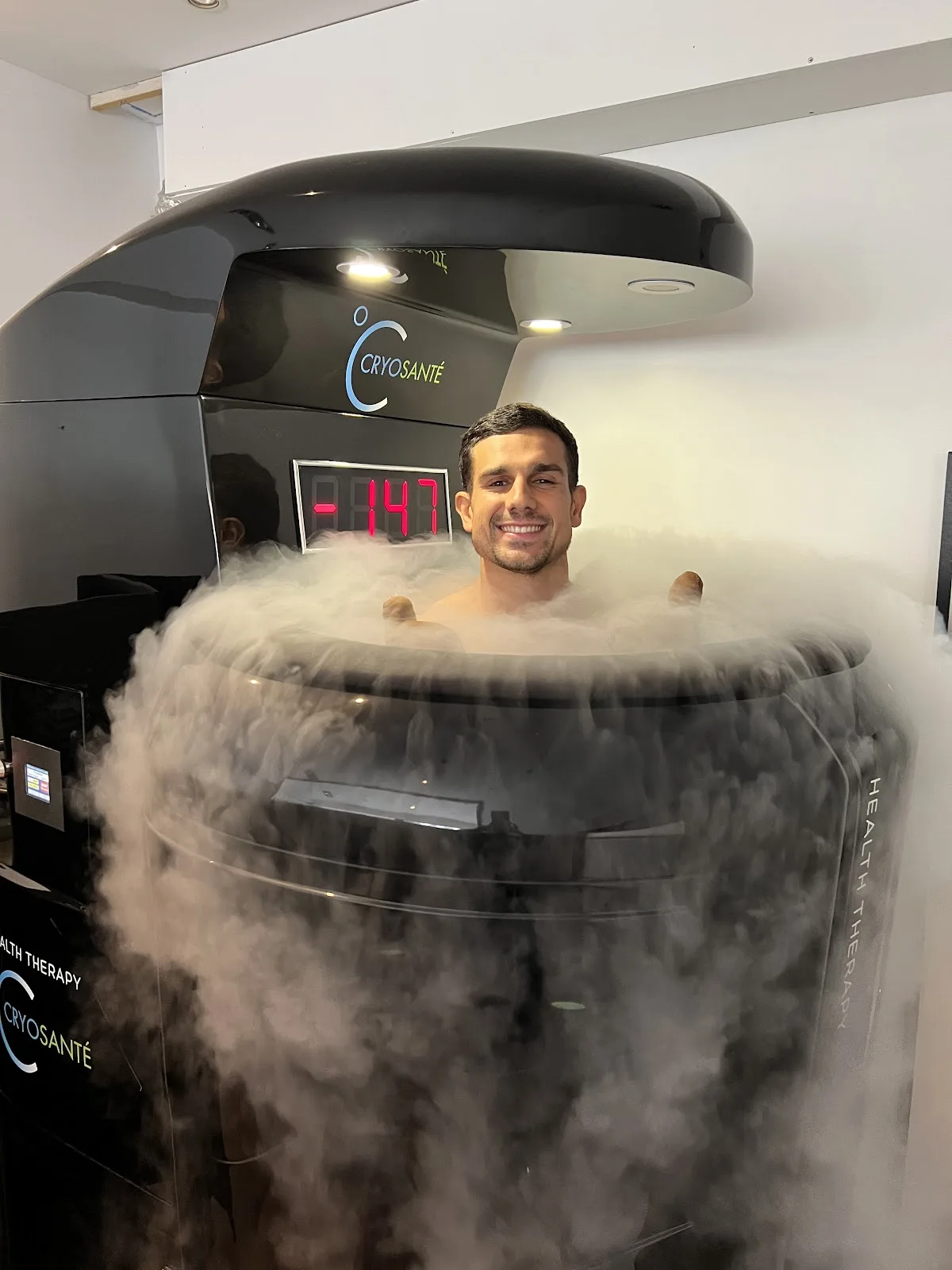
The chamber temperature should be visible (typically −110 to −140°C). If there is no display or the operator cannot tell you the current temp, the equipment may be poorly maintained.
No medical intake form
Whole-body cryo has real contraindications. A studio that does not ask about heart conditions, pregnancy, or Raynaud's is taking a safety shortcut.
The Paris takeawayWhat the data tells us
The Paris whole-body cryotherapy landscape has 10 documented studios. The most-reviewed is Cryo-Santé with 154 public reviews — a useful proxy for how established a studio is in the local scene. With 90% of studios rated 4.5★ or above, Paris sits on the high-quality end of the global whole-body cryotherapy directory. The documented clusters — 6e arr., 16e arr., 2e arr. — give you the clearest geographic starting points. As always, a first visit is about information-gathering: ask about credentials, class formats, and session structure before committing to a multi-session pack.
For Paris studio owners
Run a whole-body cryotherapy studio in Paris?
Featured listings appear at the top of this Paris guide — above the general directory. Transparent pricing, monthly plan, no commission on bookings.
Spotted an error?Help us keep Paris accurate
If you see a listing that's out of date — a closed studio, a stale phone number, a wrong address — use our contact form and mention the subject [CORRECTION] Paris — studio name. We correct within 48 hours for factual updates and within 7 business days for listing removals.
Wellness in Paris
Spa & wellness experiences in Paris.
Spa days, wellness retreats and recovery experiences.
Affiliate · powered by GetYourGuide. We may earn a small commission at no cost to you.
For studio owners
Own a studio? Get listed at the top.
Direct link to your website. Gold badge on your card. Editor's Choice rotation. No commissions — ever.
See Featured plans →From €99/mo · Cancel anytime
Learn moreGuides
NearbyOther cities
Own a studio?Get Featured →